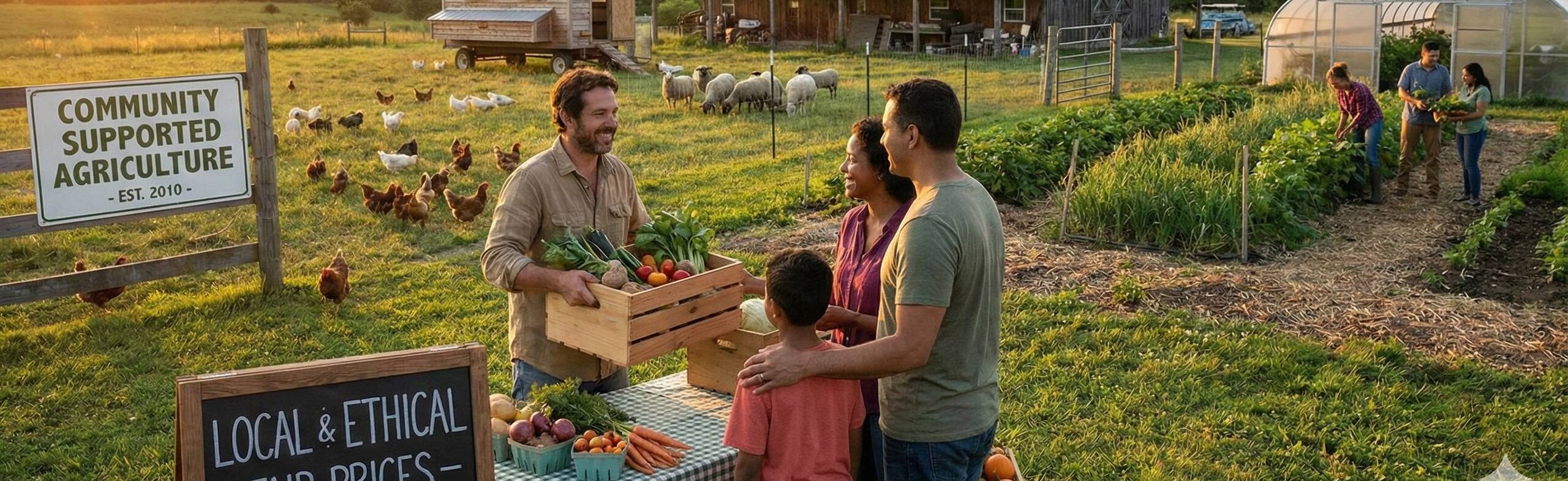
Sustainable and ethical food production

Food production must increase by 70 percent to meet the needs of a growing world population that is largely urban and likely to be more financially affluent than before; But the important question is how the industry responds to this need to provide food in a sustainable and ethical way. Food production is one of the key categories that needs attention along with issues related to food consumption, food waste, improving nutrition and food security.

One of the questions that have been raised today, in addition to food production, is the issue of sustainable and ethical food production. Therefore, if you are interested in the topic of sustainable and ethical food production and want to know more about it, stay with Florinio until the end of this article to learn more about it.

Now it is necessary to know to what extent man is allowed to use nature to meet his needs. What is important is only the technical and engineering methods of food production? Are there other issues that will cause new problems in the future if not paid enough attention to them? One of these cases is the importance of observing ethical principles in dealing with nature and in food production, which is called environmental ethics.

Food products must be “nutrient-dense” to be used in a balanced diet. Also, more food should be produced using less land area. In addition, water and energy are limiting factors for food production in the current situation; Therefore, it is necessary to examine the concept of sustainable food before anything else.

What is sustainable food production?

Sustainable food production is “a method of production using processes and systems that are non-polluting, conserve non-renewable energy and natural resources, are economically efficient, safe for workers, communities and consumers, and do not compromise the needs of future generations.” ». According to this definition, it will be a stable system that can approach the highest standards in these fields in all the mentioned dimensions.

Environmental effects of food production

Global food production methods must be changed in such a way as to minimize the impact on the environment and maintain the capacity of the world’s resources to produce food in the future. Like other man-made activities, food production has led to climate change, water scarcity, soil degradation and biodiversity destruction. It seems that 25% of the total global greenhouse gas emissions are directly caused by the production of agricultural, livestock and forestry products. Agricultural lands cover 37% of the earth’s surface, and agricultural and livestock sectors use a total of 70% of the world’s fresh water resources.

In order to know what kind of environmental effects the production of food or a specific product has, we must pay attention to issues such as the place and method of food production and local access to natural resources such as water and soil, but so far there has not been a simple set of principles to evaluate this issue. Is one food product more environmentally sustainable than another? The environmental effects of agricultural food production are very impressive. Another one of these cases is the issue of environmental protection, which can be evaluated and improved in different dimensions. Some of these dimensions are:

Climate change and deforestation

These two factors are key factors in environmental sustainability. Climate change refers to long-term changes in the Earth’s normal weather patterns, while deforestation refers to the loss or reduction of forested land in favor of industrial production. Deforestation actually has a mixed effect; Because it contributes to climate change by reducing forest land that removes excess carbon from the atmosphere. Efforts to combat climate change, deforestation and promote good forest stewardship focus on priority supply chains for products including palm oil, soybeans, beef and paper.

Palm oil

Palm oil is the most common vegetable oil in the world, which is naturally free of trans fat and has a wide variety of applications in the food system and other industries, including cosmetics and biofuels; But its impact on the food system is complex and not well understood. Since oil palm is a tropical crop that grows under specific conditions, its source is limited to designated areas near the equator. Considering that the demand for palm food production continues to increase, the clearing of forests for the production of this plant has caused the destruction of the habitats of endangered species such as orangutans, as well as the loss of biodiversity.

Soy

Soybean is also a common ingredient all over the world and is actually considered the main source of protein in the world. This agricultural product is also rich in essential amino acids, which makes it a useful and available substance. In addition to cooking, soy is widely used as animal feed, which is then turned into human food; While soybeans produced in some countries have a sustainability certificate, its production in certain regions is associated with deforestation. A large part of natural resources such as water must be used in soybean production; Therefore, efforts to produce food and improve the supply of this product include developing sustainable production methods and encouraging biodiversity.

Beef

Because cows excrete methane both through their mouths and through flatulence, the issue of greenhouse gases in animal feed production is a key priority in efforts to achieve sustainability. However, significant progress has been made to reduce the environmental impact of cattle ranches. Advances in production methods and technology that reduce food waste and increase efficiency; This means that fewer cows can produce more food. In Brazil and other areas where forests are converted to pastures for beef cattle, tropical deforestation is linked to the production of food products such as beef.

Vegetarian options

According to the 2020 Food and Health Surveys by the International Food Information Council, consumption of protein from plant sources and plant-based meat and dairy alternatives has increased in recent years. This trend may be partly due to the efforts of people to reduce the carbon footprint in the production of their products. This is an issue that has been seriously considered in food production. Some believe a plant-based lifestyle is the best approach for the planet, but some lifestyles affirm that it includes both plant-based options and sustainably sourced animal foods.

Paper

Paper packaging is quite common in the food industry today; Therefore, many restaurants have switched their services to take-out mode after the outbreak of Covid-19, and for this reason, the use of packaging has become more important. In this case, if the forests are not managed responsibly, the demand for paper can have a direct impact on deforestation. Recycling is another key component to ensuring a sustainable and ethical paper supply chain.

Measures to make food production more sustainable

The European Commission is evaluating the best way to reduce the environmental impact of food production and limit waste throughout the food supply chain. By 2020, the goal is to reduce the consumption of inputs in the food production chain by 20%. This category is done by allocating incentives for more sustainable food production and consumption.

In order to quickly move towards this goal using current technologies and knowledge, different measures are needed in the agricultural sector. Some measures to make food production more sustainable (as introduced by the European Commission and the sustainability programs of food producing companies) are:

  1. Optimum use of natural resources: for example, we can refer to actions aimed at reducing fossil fuels, optimizing water consumption, reducing water pollution, reducing greenhouse gas emissions, preserving soil, and increasing biodiversity.
  2. Protection of marine resources: Marine resources are also part of natural resources that need to be exploited in a sustainable manner; For example, fishing using sustainable principles, eliminating by-catch and reducing marine pollution.
  3. Production of food from sustainable sources: it is necessary to use as little as possible resources or those that cause instability to prepare food or to eliminate them altogether; For example, the development of sustainability initiatives such as those of the Marine Stewardship Council and roundtables on palm oil consumption.
  4. Using recyclable food packaging to protect the environment: The pollution of plastic materials around the world has become one of the main concerns of mankind today.  In this regard, the additional aspects of packages should be removed as much as possible; For example, using optimal packaging or using recycled materials with low environmental impact.
  5. Reduction of food waste: Food waste is one of the most important issues in the current situation in the world. Some believe that efforts to reduce the volume of this part of the food industry can be a big step to solve the problem of the need to produce more food in the world; For example, using technical strategies as much as possible are ways to reduce food waste. These strategies are carried out in order to increase the useful life of products and reduce the amount of waste that must be buried by recycling.

What is environmental ethics?

Environmental ethics is a branch of ethical thinking that focuses on the relationship between humans and the natural environment. This perspective is a comprehensive approach to understand and evaluate our moral obligations to protect and protect the environment. Environmental ethics seeks to bring together the interests of humans and the environment; Recognizing that both are interdependent and have intrinsic value.

A variety of ethical theories, including consequentialism, utilitarianism, and virtue ethics, define environmental ethics. These theories provide a framework for understanding our moral obligations to the environment and how we should act to protect it. Environmental ethics also draws from the fields of philosophy, economics, ecology, and law and provides a holistic approach to understanding and evaluating the ethical consequences of human actions.

Types of environmental ethics

  • Libertarian development: Libertarian development is an environmental ethic that focuses on the right of individuals to do whatever they want with the environment and its resources. This concept also emphasizes that a person should not impose their values on others and instead should respect the choices of others.
  • Ecological development: Ecological development is a type of environmental ethics that focuses on preserving the natural environment and its resources in order to maintain the balance and health of the ecosystem during food production. This concept emphasizes the importance of human behavior with nature with the aim of preserving it for future generations.
  • Conservation ethics: Conservation ethics is a type of environmental ethics that focuses on preserving natural resources for future generations. It also ensures that current resources are not depleted or damaged. This concept encourages people to use natural resources responsibly and wisely so that it can be used and exploited sufficiently for future generations.

To sum up, libertarian expansion promotes the right of individuals to use natural resources and produce food; It is an ecological incentive for humans to work with nature, not against it. Conservation ethics also emphasizes the sustainable use of natural resources. Each type of environmental ethics has its own advantages and should be considered when considering how to protect the environment in the best way, but now the general question arises as to why environmental ethics is important in food production, which is answered below.

The importance of environmental ethics

Environmental ethics are important; Because it provides a moral framework for how humans interact with the natural environment. This helps us consider the effects of our actions on the planet. It also guides us in making more ethical and sustainable decisions. The following points indicate the importance of bioethics:

  • Respecting the inherent value of nature: Nature should not be treated as a commodity or a resource to be exploited and wasted. In fact, environmental ethics helps to create better relationships with nature and recognizes its intrinsic value in addition to its instrumental value.
  • Environmental ethics is necessary to protect the environment, species and resources.
  • This vision promotes sustainable food production practices and encourages people to become more aware of the impact of their actions on the environment.
  • Emphasizes the unity of all living beings and the need to respect them. This encourages us to think more deeply about our place in the world and how we can contribute to the preservation of the natural environment. It is necessary to know that there is mutual dependence between species and ecosystems. Humans depend on nature and natural systems. In the meantime, we must recognize our role in preserving and protecting the environment. In this view, man is placed in the position of guardian of nature, not its ruler.
  • Environmental ethics encourages us to think beyond our immediate needs and consider the long-term consequences of our actions.
  • It teaches us to be responsible for our environment and support environmentally friendly practices that help conserve natural resources.
  • Environmental ethics also promotes better public policies and laws that ensure proper care of the environment.

Examples of environmental ethics

One of the examples of environmental ethics in food production is the use of renewable energy sources. Renewable energy sources, which are considered as types of energy, are created again naturally and can be used without reducing natural resources. Examples of renewable energy sources are: solar, wind and hydro-electricity. Renewable energy sources are a moral choice; Because they do not cause pollution or reduce limited resources. Since humans rely on their knowledge and technologies to use all their facilities to produce food, it is necessary to speak clearly about the issue of ethics in food production.

Another example of environmental ethics in practice is the use of sustainable agricultural methods; Methods designed to ensure that land and resources used in agriculture remain productive and can be used in the future. Examples of sustainable agricultural practices include crop rotation, integrated pest management, and conservation tillage. Ultimately, sustainable forestry practices are an example of environmental ethics in action. Sustainable forestry practices are designed to ensure that forests are managed in such a way that their biodiversity and ecological integrity are maintained. Examples of sustainable forestry practices include selective harvesting, reforestation, and old-growth forest protection.

The question may be raised as to what is the difference between ecology and bioethics. For the answer, it is necessary to know that ecology is the scientific study of the relationships between organisms and their environment; While environmental ethics focuses on how humans interact with the natural environment. Ecology deals with how organisms interact with each other and with their environment. On the other hand, environmental ethics describes how humans interact with the natural environment in order to minimize damage and promote sustainability in food production.

Complexities of Ethical Food Production

For a very long time, the main feature of food choices for consumers was only the taste of the food. However, today’s consumers also pay attention to the value of other considerations, including social justice, animal welfare, and environmental stewardship. All these things affect their food and drink buying habits. As awareness and practice continue to evolve, the idea of “food ethics” is being taken more seriously. “Ethics in food production” refers to considering the economic, social and environmental consequences of buying or consuming foods and beverages.

The role of ethics in food production has become increasingly a priority for the food and agriculture industries as well as the value-oriented consumer. Even today, significant advances have been made for animal welfare, social justice, and environmental stewardship. In this regard, industry and consumers can work together to move towards a more sustainable and ethical supply chain.

What is ethics in food production?

Ethical food production involves consideration of people (welfare of workers, whether on small farms, production cooperatives, estates or large farms), environment (focusing on environmental sustainability) and animals (mainly related to animal rights and welfare); Therefore, in addition to the pillars of sustainable food production, ethical production also considers animal welfare. For many people, protecting workers’ rights is very important. Issues such as equal pay, gender equality, diversity, forced labor, child labor and more are complex considerations. One of these important matters is the welfare of animals and their place in the production of food in an ethical and sustainable manner, which is mentioned below:

Human behavior with animals

Many stakeholders (government agencies, commodity groups, third-party certification bodies, special interest groups, and others) set standards for the humane treatment of animals in the food supply chain; Among them, those that are intended for food and labor production. In the European Union, the Lisbon Treaty considers animals as sentient beings; In the sense that they are able to feel pleasure and pain; As a result, the European Commission has adopted a new strategy to improve animal welfare conditions; Such as how to keep, feed, transport and kill them. Although there is no universal definition of the concept of “animal welfare”, the World Health Organization considers the following conditions as a guiding principle for animals:

  1. Animals should not be kept in such a way that they experience excessive thirst, hunger and malnutrition for a long period of time.
  2.  Animals should not be harmed and experience feelings such as discomfort and exposure to adversity and violence.
  3.  The conditions of keeping animals should be such that they benefit from health facilities throughout their life and are safe from pain, injury and disease.
  4.  The conditions of keeping animals should be in such a way that they do not feel fear and discomfort.
  5.  Harsh upbringing methods and behaviors that are not in their nature should not be asked of them.  Animals should be free to live according to their nature.

Ethics and environmental responsibility of consumers

Now, the role and responsibility of buyers in the process of stabilizing food production and complying with biological ethics on the part of producers should be examined. In this regard, it is necessary to first define the term “sustainable consumption”. Unlike conventional consumption, sustainable consumption considers the needs of future generations. In this case, the consumer seeks to use goods and services that meet his basic needs and bring him a better quality of life. At the same time, to minimize the use of natural resources, toxic substances and the emission of waste and pollutants during the life cycle, so as not to jeopardize the needs of the future generation.

Achieving this goal depends on how to consume in a different way and/or consume less. Sustainable consumption is often described as the same or similar to environmentally responsible behavior, environmentally friendly behavior, or ethical consumption, green consumption, and responsible consumption. They are also aligned with sustainable food production. This type of consumption refers to the use and disposal of services and goods (recycling) not only by individuals and families, but also by governments, businesses and other organizations. Sustainable consumption is closely related to sustainable production and sustainable lifestyle. Indeed, a sustainable lifestyle minimizes environmental consequences while enabling flourishing lives for individuals, families, communities, and beyond.

This lifestyle is the product of individual and collective decisions about desires, satisfaction of needs, and use of practices that are in turn conditioned and facilitated. These practices are constrained by social norms, political institutions, public policies, infrastructure, markets, and culture. Sustainable development as well as sustainable consumption relies on certain conditions, some of which are mentioned below.

  • Effective use of resources and minimizing waste and pollution
  • Using renewable resources to the extent of their capacity for renewal
  • Product reuse and recycling so that consumable items are used to their maximum potential.
  • Intergenerational and intergenerational equality

After being aware of the concept of sustainable consumption, the question now arises whether consumer choices can promote sustainability. In fact, the global consequences of environmental problems, especially climate change, affect both political programs and people’s daily lives. Since food consumption constitutes a significant part of the environmental burden of households, the sustainability of what we eat can play a very important role. This has led to the emergence of a new type of ethics that encourages consumers to engage in a kind of “moral self” for their choices. While most people believe that environmental challenges require shared responsibilities. How and to what extent consumers can bear these responsibilities is also a controversial issue.

In general, today many consumers act responsibly towards the environment and their environmental awareness has increased. They also emphasize their environmental requirements while making purchases. It can be said that environmentally responsible behavior of consumers is a reaction to socially responsible marketing, which highlights attention to social, ethical, legal and environmental aspects of business activities about their stakeholders. According to a special survey conducted in 2017, most Europeans believed that they could play a role in protecting the environment.

Therefore, we can hope that more people will be interested in the issue of protecting the environment and supporting products that are produced based on biological ethics. This is done by increasing the awareness of the general public about the importance of preserving the environment, environmental responsibilities and ethics in this field. The role of public media in this area can be very impressive. It is also hoped that soon the concern of protecting the environment in all its aspects, especially in food production, will become an all-encompassing thing all over the world.
What do you know about anemia? Benefits of dates, pistachios and almonds

Anemia is a widespread health condition affecting millions of people worldwide, across all age groups and regions. It occurs when the number of healthy red blood cells or the amount of hemoglobin in the blood is insufficient to meet the body’s oxygen needs. This deficiency leads to symptoms such as fatigue, shortness of breath, dizziness, and paleness, impacting quality of life and productivity globally.

It is also caused by other health conditions that impede the production of healthy RBCs by the body, or increase the rate at which the cells breakdown or get lost. Generally, symptoms of anemia include fatigue, shortness of breath, and dizziness. Anemia: types, symptoms, causes, and current treatments of the disease by Florinio In this article, Florinio explains the types, symptoms, and causes of anemia, stating treatments currently available, while stating that everything in the said article is for educational purposes and based on scientific contemporary studies worldwide; however, any diagnosis and treatment and prescription of medication for whatever disease must necessarily be conducted by medical professionals.

The most common symptom of anemia is fatigue. Other symptoms of this condition include:

  • Paleness
  • Rapid or irregular heartbeat
  • Shortness of breath
  • Chest pain
  • Headaches
  • Dizziness

Symptoms may vary from one individual to another. Individuals who have a mild form of anemia often show a few signs or no symptoms altogether.

What are the types of anemia?

The most common symptom of anemia is fatigue. Other symptoms of this condition include:

  • Paleness
  • Rapid or irregular heartbeat
  • Shortness of breath
  • Chest pain
  • Headaches
  • Dizziness

Symptoms may vary from one individual to another. Individuals who have a mild form of anemia often show a few signs or no symptoms altogether.

What are the types of anemia?

There are various types of anemia, and each of them presents particular symptoms. Here are some common forms of anemia:

  • Iron Deficiency Anemia: Iron deficiency anemia is the most common form of anemia, where very few red blood cells are produced because of little iron in the body. It may be due to the following causes:
  • Iron Deficiency Diet: Diets low in iron are a leading cause of the onset of iron deficiency. The iron obtained from iron-rich foods, for example, meat, is used to produce hemoglobin. A person who consumes insufficient amounts of iron to maintain their stores runs the risk of developing iron deficiency.
  • Blood Loss: The majority of iron in the human body is found in the blood; therefore, it goes without saying that any significant blood loss leads to iron deficiency. This might be from injury, birth delivery, or major and heavy menstrual flow. At times, slow and chronic bleeding because of chronic diseases or some sort of cancer causes iron deficiency.
  • Reduced Iron Absorption: Some individuals have impaired iron absorption due to conditions such as celiac disease or Crohn’s disease, or surgical removal of an upper portion of the small intestine.
  • Pregnancy: This is usually the most common cause, in view of the increase in the amount of blood in pregnancy and the relatively high quantity that will be required by the developing fetus from the mother’s storage.

Others:

  • Frequent blood donation
  • Endurance training
  • Medications causing irritation to the intestinal lining, like ibuprofen

These are the predisposing factors that cause iron deficiency anemia and its symptoms. People in certain groups are at an increased risk for iron deficiency anemia. These include:

  1. Vegetarians: Those on a diet that excludes meat tend to have an insufficient level of iron. Thus, they should ensure that their dietary intake provides them with adequate iron. The consumption of beans or iron fortified cereals will compensate for the lack of iron found in plant-based foods. Vegetarians who consume fish and seafood should include shellfish or salmon in their diets on a regular basis.
  2. Women: Because women and adolescent girls have monthly menstrual cycles they are at a greater risk for the development of iron deficiency.
  3. Blood Donors: Anyone who donates blood on a regular basis is in jeopardy of developing iron deficiency due to chronic bleeding.
  4. Infants and Children: Early birth and low birth weight can put an infant at risk of deficiency. If an infant does not consume enough iron in breast milk or formula, then he or she is at greater risk. Doctors can recommend adding iron-supplemented formula in a child’s diet if their levels are low while breastfeeding. Similarly, children experiencing growth spurts are at an increased risk of the deficiency. A child needs to have a diverse and nutritious diet to prevent deficiencies of the metal in their body.

Symptoms of Iron Deficiency Anemia

Iron deficiency anemia often takes time to develop. Individuals may not realize they have it until symptoms become severe. In some cases, iron deficiency may improve without intervention as a person’s condition changes, such as after a woman gives birth. However, if someone experiences symptoms of iron deficiency anemia, they should consult their doctor. A person with iron deficiency may have some of the following symptoms:

  • General weakness
  • Dizziness or lightheadedness
  • Extreme fatigue
  • Rapid heartbeat
  • Easily broken nails
  • Paler than usual skin
  • Chest pain
  • Shortness of breath
  • Headaches
  • Cold hands and feet
  • Pain or inflammation of the tongue
  • Cravings for non-nutritive substances such as dirt, starch, or ice
  • Poor appetite, especially in children

Complications of Iron Deficiency Anemia

One will generally have not more than the usual symptoms mentioned above in the case of mild iron deficiency anemia. In case iron deficiency anemia is left untreated, then other complications may well occur. Possible complications include:

  • Growth delays with developmental delays in infants and children
  • Cardiac issues: this includes but is not limited to heart failure and the enlargement of the heart as it works harder to compensate for deficiencies in the supply of oxygen.
  • Complications in pregnancy: this may include low birth weight of babies and increased chances of preterm delivery.

Treatment of Iron Deficiency Anemia

Iron deficiency anemia is usually treated by correcting two things: iron intake and the root condition causing this deficiency. Doctors prescribe iron supplements as a quick way to normalize intake levels of iron. Supplements are generally obtainable over the counter. The dosage and instructions concerning supplements must also be followed as excess iron is toxic and also causes liver damage. Furthermore, huge amounts of iron lead to constipation. Hence, the doctor may prescribe a stool softener or laxative to soften the bowel movements.

Additional treatment may also be needed if an underlying condition is found. Treatment for underlying conditions depends on the problem but may include additional medication, antibiotics, or surgery. Self-management includes increasing iron and vitamin C in diet. Iron-rich foods include beans, red meat, dried fruits such as dates, iron-fortified cereals, and chickpeas. Foods rich in vitamin C include citrus fruits, leafy vegetables, and broccoli.

Whether one is managing alone or following medical advice, it has to be kept in mind that iron deficiency correction is an inherently slow process. Symptoms may show an improvement even within one week of treatment, but it may take several months or even more for the iron levels in the blood to hike.

Vitamin B12 Deficiency Anemia

Vitamin B12 is essential for the production of red blood cells. If an individual does not consume or absorb enough B12, their red blood cell count may be low. Some of the symptoms include:

  • Difficulty walking
  • Confusion and memory loss
  • Vision problems
  • Diarrhea
  • Glossitis, which is a smooth and red tongue
  • Weakness
  • Tingling or numbness in the hands and feet
  • Nausea
  • Decreased appetite
  • Fatigue
  • Weight loss
  • Irritability
  • Pale skin
  • Rapid heartbeat

Causes and Risk Factors of Vitamin B12 Deficiency Anemia

Some causes of vitamin B12 deficiency anemia includes the following:

Autoimmune Conditions

  • Pernicious Anemia: In this condition, the immune system of the body attacks the cells in the stomach that produce intrinsic factor, a protein required for the absorption of vitamin B12.
  • Intestinal Conditions: It may be from the lining of the stomach, particularly in chronic cases or chronic gastritis that interferes with the ability to secrete intrinsic factor and stomach acids, which are very vital in vitamin B12 absorption. This inflammation may be brought about by conditions of autoimmunity-for example, Crohn’s disease and celiac disease-or it may be an effect of infection, including by Helicobacter pylori.
  • Surgical Procedures: Certain surgeries, such as gastric bypass or removal of parts of the small intestine, involve an anatomical rearrangement or removal of portions of the gastrointestinal tract. As a result, because of these anatomical changes, an individual has difficulty absorbing vitamin B12. Because of these anatomical changes, evidence shows that vitamin B12 deficiency following these types of surgeries is quite common, ranging in incidence from 13% to 60% of individuals.
  • Medications: Long-term intake of certain medications is another factor that could interfere with the body’s correct vitamin B12 absorption and, thus, be another precursor or inducer of the deficiency.

Several such medications that can cause poor absorption of Vitamin B12 include:

Some Medications That Lead to Vitamin B12 Deficiency Anemia -negative

  • Metformin: This is a drug used for the treatment of type 2 diabetes.
  • Proton Pump Inhibitors: The drug inhibits the production of acid in your stomach. You can use this when dealing with diseases of the stomach, such as gastroesophageal reflux disease and ulcers.
  • Colchicine: You may take this medication for gout and Mediterranean fever.
  • Diet: Because of their dietary selections, those individuals who consume fewer or no animal products-like some vegetarians and vegans-exhibit the lowest intakes of vitamin B12. As a result, they have the highest risk for deficiency.

Treatment typically consists of vitamin B12 supplements to raise the patient’s levels to normal. The duration and type of treatment are based upon why a patient is deficient in B12. For patients who have developed a deficiency due to dietary problems, physicians may suggest oral B12 supplements as a means of treating symptoms. A patient could also seek advice from a nutritionist about incorporating more vitamin B12 into their diet plan. Vitamin B12 is abundant in foods such as:

  • Fish
  • Meat
  • Poultry
  • Eggs
  • Dairy products

The fortified foods that contain vitamin B12 include yeast extract, cereals, and some plant-based milks if an individual does not want animal products in their diet. Treatment for malabsorption conditions usually includes injections of B12 by a physician.

Since the vitamin is injected into the muscle, the body can absorb the vitamin without the digestive system being affected. An individual may be administered this vitamin initially with the frequent injections of some medicines. Some patients require this treatment throughout their lives, as this is how they maintain their vitamin B12 levels normal.

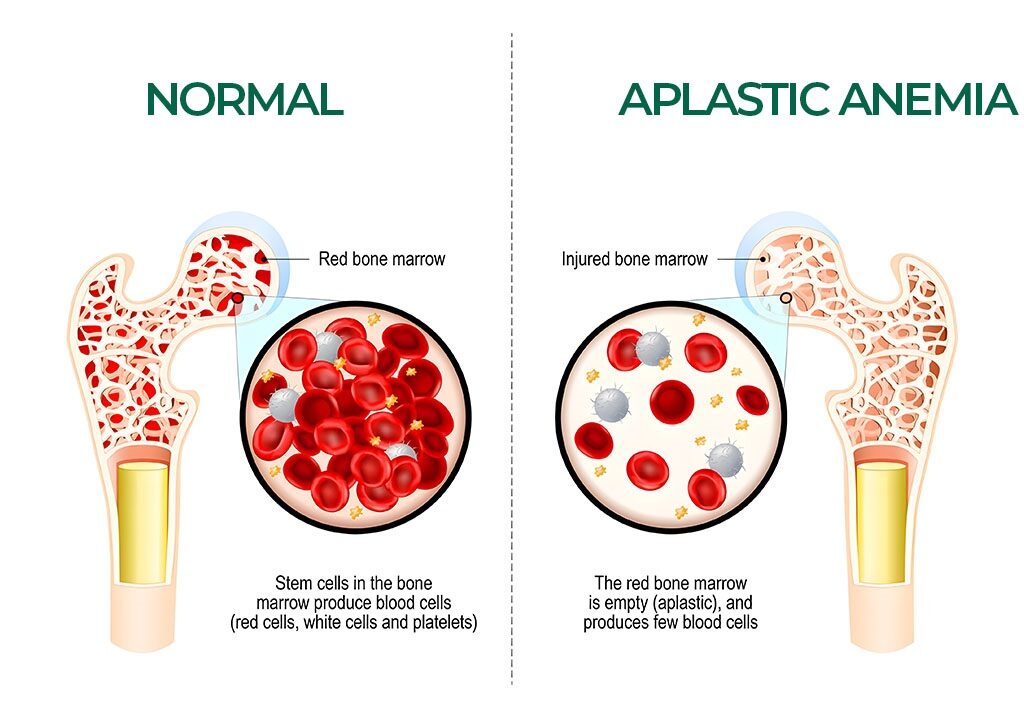
Aplastic Anemia

This is a blood disorder and is quite rare; it involves the failure of the production of new red blood cells in the bone marrow. It usually results from an autoimmune disease of the stem cells, even when one has normal levels of iron. Possible symptoms that may result include:

  • Fatigue
  • Infection frequency
  • Skin rashes
  • Bruising easily
  • Dizziness
  • Headaches
  • Irritability
  • Lightheadedness
  • Pale skin
  • Difficulty breathing

These are not mild symptoms, and for some individuals, heart-related symptoms can occur, such as chest pain.

Causes of Aplastic Anemia

Doctors have identified some of the following as possible causes for this immune response:

  • Exposure to benzene-a chemical used in the manufacture of plastics, synthetic fibers, paints, detergents, and pesticides
  • Exposure to insecticides
  • Non-viral hepatitis
  • Pesticides
  • Medications, including chemotherapy drugs and chloramphenicol
  • Hepatitis
  • Pregnancy
  • Rheumatoid arthritis and lupus
  • Cancer
  • Other infectious diseases.

In the majority of the cases of aplastic anemia, however, doctors cannot identify its cause. When the cause is not identified, doctors refer to this disorder as idiopathic aplastic anemia.

Hemolytic Anemia

This is one form of anemia wherein erythrocytes are destroyed quicker than what the body can replace. Autoimmune diseases, infections, disorders in the bone marrow, and inherited diseases such as sickle cell disease and thalassemia can all cause different varieties of hemolytic anemia. Associated manifestations of hemolytic anemia may include the following:

  • Dizziness
  • Weakness
  • Jaundice
  • Dark-colored urine
  • Fever
  • Abdominal pain

Causes of Hemolytic Anemia

The human body needs a certain degree of red blood cells to keep themselves going. These carry a complex protein, hemoglobin, which in turn binds to the iron molecules. It is these iron-carrying molecules that help in transporting oxygen from the lungs to other parts of the body. Several health conditions may lower the number of red blood cells and hence produce anemia. There are several types of anemia, and there is not any singular cause. In some patients, the exact cause of reduced red blood cells cannot be identified. The three major causes of anemia include:

1.Blood Loss:

Iron deficiency anemia is the most common form of anemia, and it often arises secondary to blood loss. Blood loss can lower the amount of iron in the blood, leading to anemia. If blood is lost from the body, it draws water from tissues outside of the bloodstream to add to helping keep the blood vessels full. This excess water dilutes the blood and reduces red blood cell counts. Blood loss can be acute, meaning short-term, or chronic, long-term.

Examples of acute blood loss include surgery, childbirth, and trauma. However the most common cause of anemia is chronic blood loss. Chronic blood loss may be due to several disorders such as peptic ulcers, endometriosis, cancer, or other tumor. Other causes of anemia from blood loss include the following:

  • Gastrointestinal disorders: hemorrhoids, cancer, and gastritis (peptic ulcers and appropriate diet)
  • Nonsteroidal anti-inflammatory drugs-aspirin and ibuprofen
  • Menstrual bleeding (heavy)

2. Anemia or Dysfunction of Red Blood Cells

Bone marrow is the soft, spongy tissue at the core of a number of bones. Its key function is to produce red blood cells. It manufactures stem cells which in turn develop into red blood cells, white blood cells and platelets. Disorders of the bone marrow do exist. One example is the cancer that begins in those tissues: Leukemia.

The malignancy interferes with the body’s production of excessively many but very abnormal white blood cells. This disrupts the production of red blood cells. Bone marrow disorders can also cause anemia. For example, in aplastic anemia there are too few stem cells in the marrow. In some cases of anemia, red blood cells may not be able to mature and grow normally. That is what happens in people with thalassemia, an inherited form of anemia.

3. Destruction of Red Blood Cells

The average life of red blood cells is about 120 days. However, the body may destroy them even before they complete their normal lifetime in the circulatory system. It is through such destruction that red blood cells cause autoimmune hemolytic anemia. This is when the immune system mistakenly perceives red blood cells to be foreign substances and therefore attack them.

Treatment of Iron Deficiency Anemia

There are various forms of treatment for anemia. They all have the common purpose of raising the individual’s red blood cell level in order to increase the oxygen amount in the blood. The treatment required is related to the type of anemia. Treatments most commonly prescribed to cure different types of anemia are as under:

  • Iron Deficiency Anemia: Iron supplements and dietary changes; the doctor will find and treat any potential sources of the excessive bleeding.
  • Vitamin Deficiency Anemia: Dietary supplements can be helpful, and occasionally vitamin B12 injections.
  • Thalassemia: Folic acid supplements, iron chelation, and in some patients, blood transfusions and bone marrow transplants.
  • Anemia Due to Chronic Disease: The doctor tends to treat the underlying disease itself.
  • Aplastic anemia: The treatment for the disease includes blood transfusions and transplantation of bone marrow. Sickle cell anemia: The doctors generally prescribe oxygen therapy, pain medications, and intravenous fluids. Besides these, antibiotics, folic acid, blood transfusions, and hydroxyurea are also prescribed; the latter being a drug for cancer. Hemolytic anemia: Immun suppressive drugs may be the course of treatment or infection treatment or plasmapheresis to filter the blood.

Risk Factors for Iron Deficiency Anemia

Anemia can occur at any age, male or female, or ethnicity. However, some factors increase the chance of this type of anemia including:

  • preterm birth
  • 6-24 months of age
  • menstruating
  • pregnant and childbirth
  • a diet that is low in vitamins, minerals, and iron
  • medications that irritate the lining of the stomach, which would include anti-inflammatory drugs
  • Having in one’s medical history a record of inherited anemia within the family, Having a disease that involves the gastrointestinal tract and negatively affects nutrient absorption in the body, Bleeding internally, Having chronic diseases such as AIDS, diabetes, kidney disease, cancer, rheumatoid arthritis, heart failure, and liver disease.

Diagnosis of Iron Deficiency Anemia

A number of different tests can diagnose anemia, though the most standard is a blood test called a complete blood count, or CBC. When conducting a CBC test, a number of different aspects of the blood are measured including:

  • Hematocrit level, which is the volume of red blood cells compared to the total blood volume
  • Hemoglobin level
  • RBC count

A CBC will show an individual’s overall health. It will also aid the doctors in deducing whether further investigation is necessary due to some underlying conditions such as leukemia, kidney disease, etc. If the levels of RBC, hemoglobin, and hematocrit lie below the normal range, the person probably has some type of anemia. Yet, a healthy person can also show values out of this range. Though a CBC is indefinite, it helps the doctor with a good starting point to come to a correct diagnosis.

Diet for Iron Deficiency Anemia

Many foods are high in iron. It may be easy for an individual to combine them and create delicious and nutritious meals that help increase iron intake. The following foods are very suitable for this purpose:

Fruits and Vegetables:

  • Watercress
  • Curly kale and other varieties
  • Spinach
  • Collard greens
  • Dandelion greens
  • Swiss chard
  • Citrus fruits
  • Red and yellow peppers
  • Broccoli
  • Beet greens, dandelion greens, and collard greens
  • Peas
  • Green beans
  • Sweet potatoes
  • Watermelon
  • Strawberries

However, some dark leafy vegetables also contain oxalates, which can inhibit iron absorption. Instead of relying solely on vegetables, individuals should obtain iron from various sources.

Nuts and Seeds

Nuts and seeds are nutritional powerhouses that contain healthy fats, fiber, protein, and compounds that support heart and vascular health. The following options are rich in iron:

  • Pistachios
  • Pumpkin seeds
  • Cashews
  • Hemp seeds
  • Pine nuts
  • Sunflower seeds
  • Almonds
  • Peanuts
  • Macadamia nuts
  • Sesame seeds
  • Flaxseeds
  • Hemp seeds
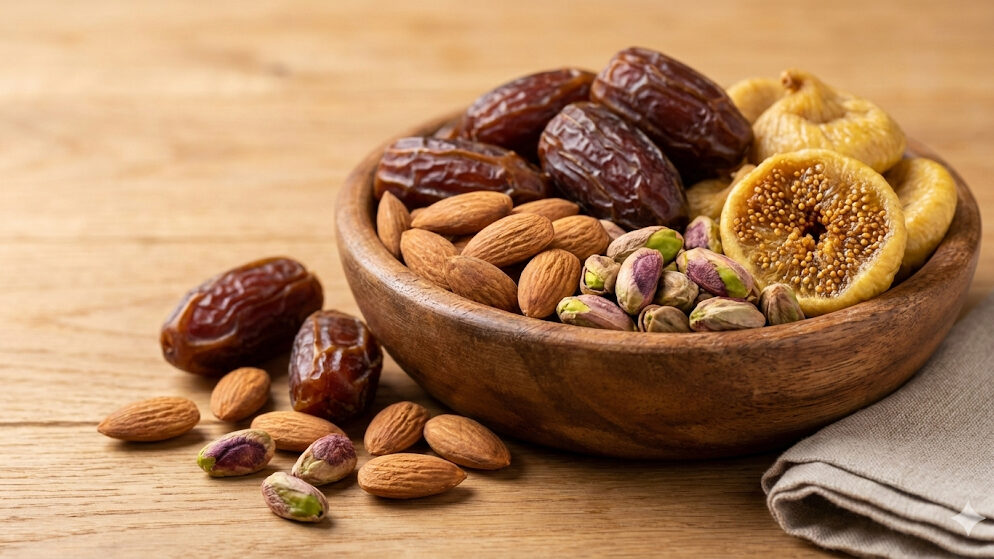
  • Pistachios: are also a very good source of iron. One cup of pistachios supplies young women with approximately a quarter of their daily requirement of iron that must be supplied by active intake. Pistachios have actually an impressive amount of absorbable iron, which has proved quite helpful in the treatment of iron deficiency anemia in each and every human body. The iron value in this tasty nut is of great help in reducing fatigue and paleness due to anemia. Pistachios are also a source of the B1 and B3 vitamins and vitamin E, as well as such minerals as iron, potassium, phosphorus, and calcium. It opens liver ducts, strengthens the stomach, and cures coughs. Iron absorption can be improved by taking in foods rich in vitamin C along with the nuts, such as citrus fruits and tropical fruits. Vegetarians should definitely use plant sources for the mentioned mineral since they cannot include meat products in their diet. For every 100 grams of pistachios, it contains 7.5 mg of iron, while daily consumption for an average person needs 4-5 mg of iron. This Akbari pistachio from Porfiro is not only full of these qualities, but organic, and from planting to harvesting, packaging, and right to its consumers, it has remained at standard levels, ensuring that it is free from any pesticide and chemical residues. It is also a very good option for anemic people since it has a natural and pure taste.
  • Almonds: Another good source of iron is almonds. One ounce of almonds includes almost 6 mg of iron, which is about one-third of the recommended intake by women and one-fourth for men. Apart from iron, almonds are a good source of other nutritionally essential elements in the case of anemia: vitamin C, vitamin B12, and folate. Vitamin C improves iron absorption in the body, while both vitamin B12 and folate play an important role in red blood cell formation. In case you suffer from anemia, your doctor may prescribe iron supplements. You can also get iron through your diet, and almonds are no exception in this regard. The Porfiro brand sells organic almonds of the same quality mentioned above in pistachios; you will never forget their genuine and delightful taste once you’ve tried them.

Meat and Fish

Animal sources, such as chicken and red meat, are the richest sources of iron to be absorbed. The World Cancer Research Fund suggests that to reduce the risk for colorectal cancer, red meat consumption should be limited to three servings per week, or 3 to 6 ounces cooked. Iron-rich foods include:

  • Beef
  • Lamb
  • Chicken or beef liver
  • Turkey
  • Chicken
  • Goat meat
  • Veal
  • Ham

Another source of iron is seafood. Seafood intake at all ages should be at least a minimum of two times per week. Seafood contains omega-3 fatty acids, in addition to various key vitamins and minerals, including vitamin D and zinc. Species of fish that contain iron include:

  • Shrimp
  • Fish fillets
  • Prawns
  • Crab
  • Clams
  • Snails
  • Tuna
  • Sardines
  • Haddock
  • Salmon
  • Barramundi

Beans and Legumes

Legumes are plant proteins rich in fiber and quite a good amount of minerals. They are very good alternatives to red meat, as they are heart-friendly, and they contain very good sources of iron. The following are the good sources of iron due to the following food choices:

  • Peas
  • Black beans
  • White beans
  • Pinto beans
  • Fava beans
  • Lentils
  • Soybeans
  • Tofu
  • Chickpeas
  • Black-eyed peas
  • Lima beans

Dried Fruits

They are dense in dates, prunes, figs, raisins, apricots, dried peaches, and other dried fruits that might help improve sleep or increase the hemoglobin levels in the blood. Some of the benefits derived from them include:

Whole Grains

Whole grains contain fiber that helps promote healthy digestion and may lower the risk of heart disease. Iron-rich whole grains and fortified grains include:

  • Whole grain bread made with unrefined flour
  • Wheat products
  • Fortified white bread and pasta; Bran cereals; Oatmeal; Corn flour; Rye bread

Which Foods Do You Need to Limit in Your Anemic Diet?

The following substances impede the absorption of iron:

  • Calcium: While this is a needed mineral, intake of more than 300-600 mg impairs iron intake. Examples of calcium-rich food are dairy products, some fish, tofu, and figs.
  • Phosvitin- an iron-binding phosphoprotein in eggs, whereby one egg can reduce iron absorption by up to 28%. However, it was noted in a study conducted in 2022 that one egg per day does not affect the iron status significantly.
  • Coffee, Cocoa, Tea: Swedish cocoa, some teas inhibit the absorption of iron by 90%, and coffee by 60%.

They can easily suggest avoiding these foods totally, though these types of food are essential to maintain a healthy, balanced diet. But it may be a reasonable idea to consult with a doctor or dietician.

Meal Plans

Iron-rich food inclusion in the diet plan could easily help treat conditions related to anemia. The healthcare expert can suggest the type of food to select and how to improve iron absorption. The best diet for anyone suffering from anemia is one that is rich in iron and foods that enhance iron absorption. At the same time, every person should be cognizant of those foods that impede iron absorption. The following meal plan shows what type of healthy meals a person with anemia might have. Of course, special dietary recommendations will change depending on whether a person is suffering from iron-deficiency anemia, vitamin deficiency anemia, or another form of anemia.

Breakfast

Option 1: Unsweetened oatmeal with sprouted oats topped with raspberries or flaxseeds, served with a glass of iron-fortified orange juice.
Option 2: Breakfast hash made with chickpeas, chicken sausage, mushrooms, sweet potatoes, and spinach. Tea and coffee inhibit iron absorption and should not be consumed with meals.

Lunch

Option 1: Beef chili in a bowl or tuna burger with vegetables or legumes like spinach, beans, or chickpeas.
Option 2: Smoked salmon on a toasted bagel with cream cheese and spinach.

Dinner

Option 1: Lamb, boiled potatoes, steamed broccoli, and kale.
Option 2: Bean and chickpea stew with black-eyed peas, canned tomatoes, onions, red peppers, and garlic; topped with vegan or dairy cheese. It would be served with a side helping of vegan or dairy yogurt.

How Do I Speed Up the Improvement of My Anemia?

While adding iron-dense foods to one’s diet will help improve blood iron levels, most people with iron deficiency need to take iron supplements to achieve healthy iron status. In some individual’s gastrointestinal limitations hinder iron absorption such that iron treatments or other treatments must be implemented. A doctor will determine what the best course of action is for that particular individual. However, the following can maximize iron intake:

  • Do not drink tea or coffee with any meal.
  • Do not consume calcium-rich foods with your iron-rich food.
  • Consume foods rich in iron along with Vitamin C.

If one has tried changing their diet and the level of iron remains low, they should consult doctors or nutritionists who may advise on supplements. Many health professionals normally recommend supplement forms that contain iron salts, like ferrous fumarate, ferrous gluconate, or ferrous sulfate. Iron dosage recommendations are varied, and your doctor will determine the best form and dosage of iron to treat your particular case effectively.

Can a person with anemia lead a normal life?

Yes, most people who have anemia lead very normal and healthy lives after treatment. However, this disease condition can result in long-lasting or life-threatening effects-only in those cases where the anemia is severe, chronic, or untreated. Under such circumstances, arrhythmias and organ damage can take over.

Can it be told by looking into one’s eyes if a person is anemic?

A study in 2021 says that anemia causes paleness or color loss around the eyelids. However, there are many different reasons why paleness may occur, and only a blood test can confirm if one has anemia or not.

How does one treat anemia?

Anemia cannot be treated by oneself; one has to approach a doctor, who will inform one about the proper treatment, depending on the kind and serious phase of one’s anemia. If one has a mild form of iron deficiency anemia, a doctor might suggest treating it at home. The doctor will advise one to increase iron intake with vitamin C so as to treat it.

Is anemia permanent?

Anemia is usually of variable degree: mild, moderate, or severe. It may be temporary or chronic; the latter means that it persists for a long time and perhaps never fully resolves.

How long before anemia resolves?

How quickly anemia disappears depends on the form and severity of the anemia and the effectiveness of treatment. Typically, a person with iron deficiency anemia will need to continue iron supplements for a period of three to six months before the iron levels are returned to normal. For some people, anemia is a long-term, or chronic condition.

Which drinks are useful for anemia?

For this reason, orange juice and other juices that contain vitamin C are good choices. Other juices good for iron include prune juice, pear juice, and tomato juice.

How do you deal with the fatigue caused by anemia?

Anemia-related fatigue could be minimized by having enough sleeping time and consuming diets containing adequate amounts of foods rich in iron. Supplementation with iron might also help

Anemia occurs when there is a decrease in the number of red blood cells circulating in the blood. Circumstances like this mean that the oxygen levels being transported to the body would not be sufficient. A person suffering from anemia will feel exhausted or weak.