
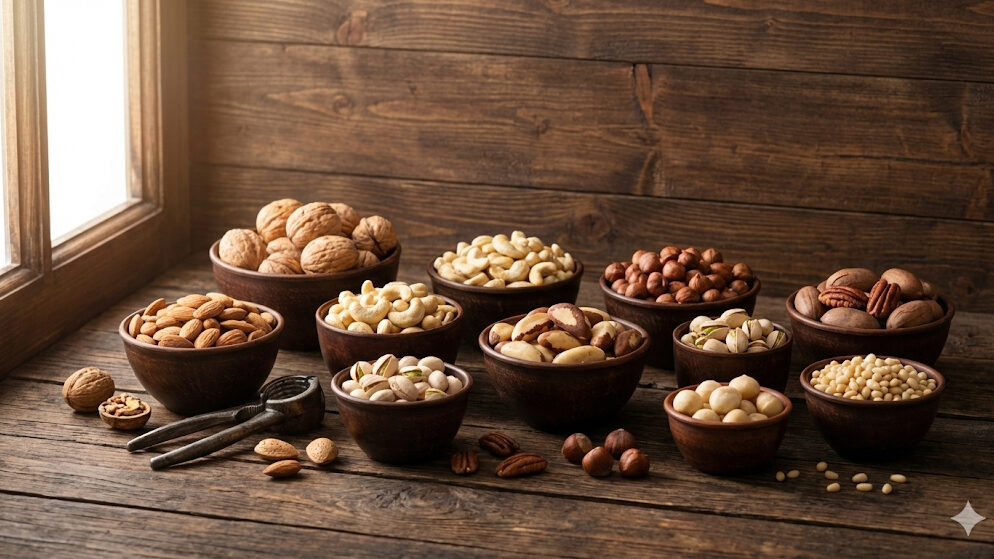
Many studies demonstrate that nuts integrated into regular good food help manage weight and prevent diabetes and cardiovascular diseases. For seeds, although there is some limited research, it can be assured that they offer parallel health benefits due to their nutrient contents, which are defined to be very close to those of nuts. In case you are interested in this topic, please stay with Florinio to get more about the benefits of nuts, mainly pistachios.
Types of nuts

There are many different types of nuts and seeds found in nature, each with its own unique characteristics. Some of the most important and well-known types of nuts are:
- Almonds
- American walnuts
- Brazilian nuts
- Hazelnuts
- Macadamias
- Pecans
- pine nuts
- Pistachios
- Walnuts
- and peanuts Even if, botanically, the peanut is classified as a legume, it is regarded as a nut due to its likeness with tree nuts.
Benefits of nuts
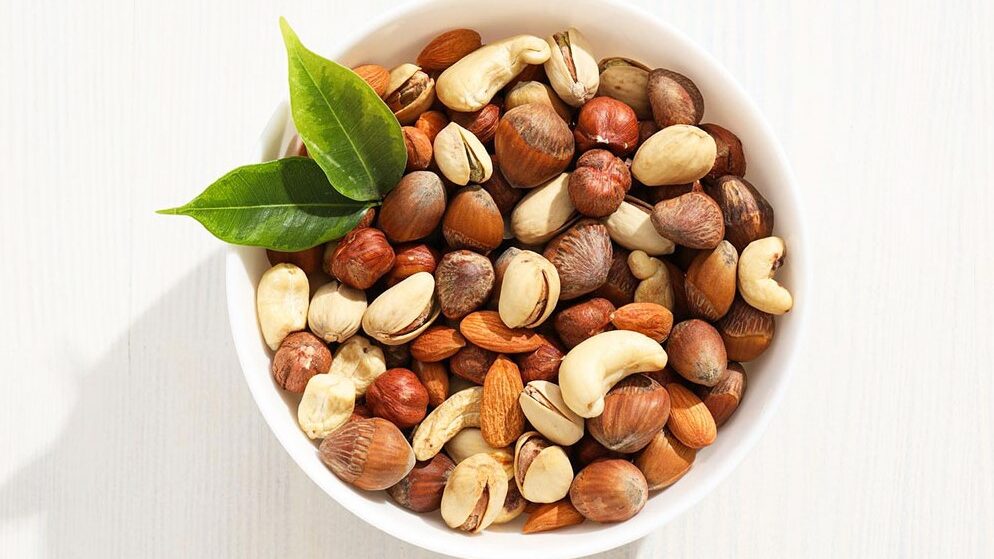
Since ancient times, people have associated nuts with health. It is as if they knew well the benefits of nuts and the importance of consuming them as one of their primary food sources, alongside game meat. More than two decades ago, the link between nut consumption and factors that affect heart health was established by four observational studies. While nuts have long been consumed because of their varied benefits, most people after these publications were made aware that consuming nuts can significantly affect health, and that was scientifically proven. Some of these effects about benefits of nuts are:
- Decreasing the risk of cardiovascular diseases and coronary artery diseases
- Type 2 diabetes prevention and, if someone is already diagnosed, management
- Reduced overweight and obesity risk Decreasing mortality from different causes
- Cancer risk reduction
- Improvement in various aspects of brain health, like cognition, learning, or memory
- Improvement of sperm quality
- Reduction of the risk for depression.
Most nuts also contain phytochemicals:
Phytochemicals or plant chemicals are biologically active substances found in plants such as polyphenols, carotenoids, phytosterols, phytates, and lignans. These phytochemicals have been found to have antioxidant, anti-inflammatory, antimutagenic, and anticancer properties. These general biological functions of phytochemicals avert or postpone aging and age-associated diseases. Besides polyphenols, phytosterols, tocopherols, folic acid, L-arginine, low sodium, high calcium, magnesium, and potassium, and a desirable balance between omega-3 and omega-6 fatty acids in nuts play an important role in health and longevity.
The macronutrient profiles of all nuts are essentially the same, in consideration of which all nuts would contain more or less the same protein, carbohydrates, and fat contents, while different nuts may vary to some extent in their micronutrient contents in terms of vitamins and minerals.
Nuts supply approximately 29 kilojoules per gram of energy and consist of:
- Rich in beneficial fats, saturated or other, and monounsaturated, mainly from walnuts and the variety of the other types of nuts.
- Low in saturated fats.
- Other nuts also provide dietary protein, thus an alternative source of protein from animal protein.
- Some nuts are arginine-rich amino acids that keep blood vessels lined, making them healthy.
- No bad cholesterol present.
- They are great sources of dietary fiber.
- It contains lots of phytochemicals that act as antioxidants.
- Packed with vitamins and minerals that include E, B6, niacin, folate, magnesium, zinc, plant-based iron, calcium, copper, selenium, phosphorus, and potassium.
Benefits of seeds
Early humans used seeds as one of their first food sources. Since then, humans have had a great deal of knowledge about the benefits of seeds and the importance of incorporating them into their diet. Most seeds, like various nuts, are rich in the following:
- Protein, healthy fats (with a higher proportion of polyunsaturated fats), and fiber
- Minerals such as magnesium, potassium, calcium, plant-based iron, and zinc
- Vitamins B1, B2, B3, and vitamin E
- Oil seeds also contain antioxidants that prevent the rapid spoilage of fats. These antioxidants have numerous health benefits for the human body.
Given the dense nutritional profile of nuts and seeds, they are recognized for their multiple health benefits, including:
- Helping maintain weight
- Reducing the risk of heart disease
- Reducing the risk of developing diabetes
Nuts and weight control
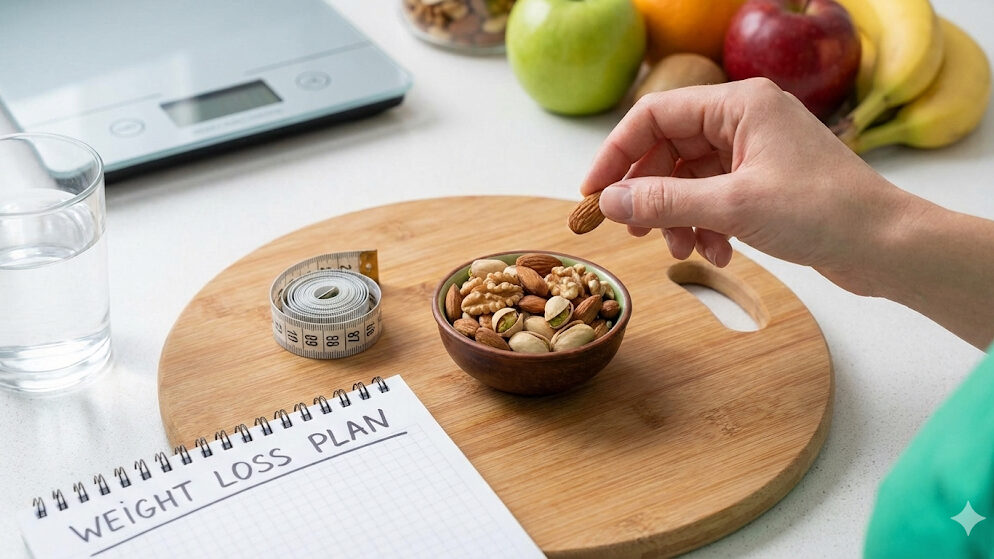
One of the amazing benefits of nuts and seeds is that they are highly concentrated sources of energy, mostly fat, but contrary to this, they are not associated with weight gain – the majority of population studies show that, in fact, eating more nuts helps you lose weight. They reduce body weight and belly fat by including nuts in your weight loss diet. Losing belly fat reduces the risk of chronic diseases such as heart disease and diabetes. Therefore, nuts should be part of a healthy diet. The Australian Food Guidelines even recommend around 30g of nuts on most days of the week. Here’s how nuts help with weight loss through different mechanisms:
- Reduced fat absorption: Not all the fats of nuts are digested and absorbed in the body. Reduced fat absorption implies lesser energy obtained from nuts.
- Appetite suppression: Nuts help suppress hunger feelings; hence, food intake is lowered to balance the energy provided by consuming nuts.
The functioning of seeds in body weight has not developed widely, but it will be likely the same as with nuts since seeds also contain high levels of protein, healthy fats, and fibers.
Nuts and heart disease risk
In addition to everything else that has been said about the health benefits of nuts and seeds, we now know that consumption of nuts and seeds has been associated with a lower risk of heart disease. Though they have a high fat composition, they have predominantly healthy fats (e.g., monounsaturated and polyunsaturated fats) and very little saturated (bad) fats.
This combination of “good fats” makes nuts healthy – they help to reduce low-density lipoprotein (LDL) cholesterol (known as “bad” cholesterol) in the body. LDL cholesterol will make plaques (fatty deposits) in your arteries form, which can increase coronary artery disease. Nuts and seeds also help with vascular health and blood pressure (partially by their arginine content) and reduce the body’s inflammation level since they are rich in antioxidants.
Recommended amount of nuts for daily consumption
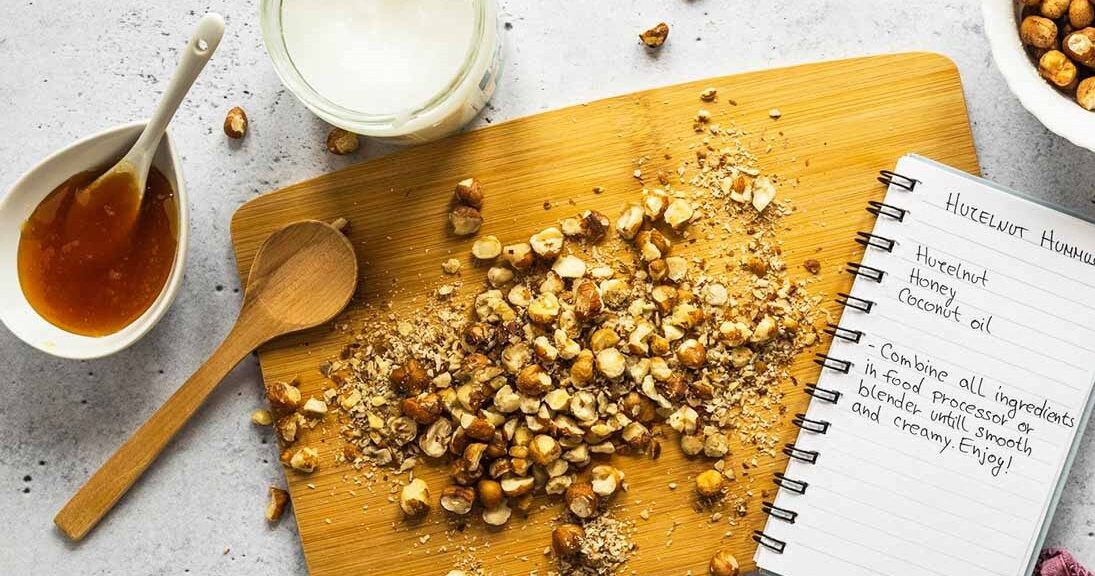
Australian dietary guides recommend that grownups consume 30 grams of nuts on at least five days every week. This recommended amount of nuts ensures an adequate intake of essential nutrients. Since all the nuts are equal in nutritional merit, a high variety of them may be introduced in a sound diet. Serving size of a level 30 grams, i.e., about a third of a cup, roughly a handful of small things, is analogous to:
- 30 almonds
- 10 Brazil nuts
- 15 pecans
- 20 hazelnuts
- 15 macadamias
- 2 tablespoons of pine nuts
- 30 pistachios
- 10 whole walnuts or 20 walnut halves
- A small serving of peanuts or of the mixed nuts.
How to include nuts and seeds in your diet
Because of their similar nutrient and health benefits, seeds are a possible substitute for nuts in the case of a nut allergy. Here are some suggestions for introducing more nuts and seeds into your diet:
- Give up the inappropriate snack: Instead of a biscuit or a piece of cake, snack on a handful of unsalted roasted or raw nuts.
- Combine with low-calorie foods: Combine nuts or seeds with low-calorie foods such as vegetables to uplift plant-based meals; light Asian dishes and salads are great examples.
- Use as a protein replacement: If you are vegetarian or vegan, nuts and seeds are well-suited protein replacements for meat, fish, and eggs; they also contain fat, iron, zinc, and niacin. Ensure that you are consuming more than 30 grams of nuts and seeds daily to secure adequate protein in your diet.
- About soaking or peeling: Only soak or peel nuts if you prefer their taste and texture that way. The truth is, the skins of nuts are replete with phytochemicals that confer potent antioxidant and anti-inflammatory properties.
- Roast them: Oil or dry-roasted nuts simply have an extra little flair to their flavor without really affecting the fat content of the nuts, since they are very dense and don’t absorb oil unless submerged. Indeed, most will absorb about just a little over 2% extra fat.
- Avoid the salty nuts: it is better not to eat nut board with a lot of salt, mainly if you have hypertension (high blood pressure). So, save that salty treat for special occasions and stick to unsalted roasted nuts in your diets.
- Use nut butters: In case nuts and seeds are too tough for you, spread nut butter on some whole-grain bread.
Tips for consuming nuts and seeds
- Nuts are a possible choking hazard: Whole nuts are not suitable for children under three years old. If children are not chewing their food properly, there is a high risk of choking. Contrary to this, nut butters and oils (such as peanut butter or almond oil) may be included in the diets of young children from around six months of age and after.
- Nuts cause allergic reactions: All tree nuts, peanuts, and seeds may cause life-threatening allergic reactions (anaphylaxis) in individuals who are allergic to nuts. Unlike allergies to many other foods that seem to disappear with age, peanut allergies may follow with you well into adulthood. There is currently no known cure for allergies, and therefore, if you or your child is allergic to nuts or seeds, please abstain from consuming them until you are able to meet with allergy specialists. Doctors will perform food tests to see which nuts or seeds you might be sensitive to.
- Read food labels: Make sure that you read food labels for nuts or seeds. Beware of the products that say “may contain traces of nuts and or seeds”.
- Nuts are healthy protein, but they cannot really replace meat: It’s a good idea to substitute small portions of red and processed meat for an ounce of nuts, but they should not serve as the sole protein source at every meal. Studies have shown that men whose diets were heavy on meats tended to die young, due to something like cancer and heart disease; where each meal with meat replaced by nuts lowered the risks of early death by 20% compared to those who continued eating meat. The idea is not to get rid of meat from the diet but to substitute it with lean poultry instead of red meat, especially cooked or smoked meats, and consume moderate amounts of nuts a couple of times weekly.
In which part of the daily diet should nuts be consumed?
Watching your everyday consumption of nuts solely as an edible between meals may hinder your psyche when constructive changes are undergone. Besides being a great hunger suppressor in-between meal, nuts can be used to enrich the composition of your meals. Consuming such belongs in a category of high-fat high-fiber food, ensuring you’re fuller and more satisfied through your meals when trying to either lose or maintain weight. Nuts can be added, as a good suggestion, to your very low-calorie salad made of lettuce, tomatoes, cucumbers, ever-diluted low-fat dressing to enhance satiety, while at it. Nuts fill in meals nicely, leading them to be calorie-dense enough to avert the feeling of hunger.
- Perfect for breakfast, add nuts on your cereal or yogurt with fruits.
- A handful can alternate for lunch in a salad.
Can nuts be used as dinner?
Nuts can be a nutritious addition to grain-based side dishes like brown rice and mushrooms at dinner. Alternatively, you can use them to create a meatless main course. A typical meal might include cooked whole grains (such as quinoa or brown rice), beans or legumes (like chickpeas or lentils), chopped vegetables, fresh herbs, olive oil, and vinegar or lemon juice. Adding nuts to this combination will result in a delicious, appealing, and filling meal. Often, a lack of awareness about the benefits of nuts, combined with their high cost, can be reasons why these nutritious foods are not used in meals.
Florinio, as a company that aims to provide high-quality and organic products, has always strived to provide accurate information about its products from all aspects to consumers. Since organic pistachios are one of Florinio’s premium products, the following sections will specifically explore all the mentioned benefits of nuts for pistachios.
How Pistachios is good for health?
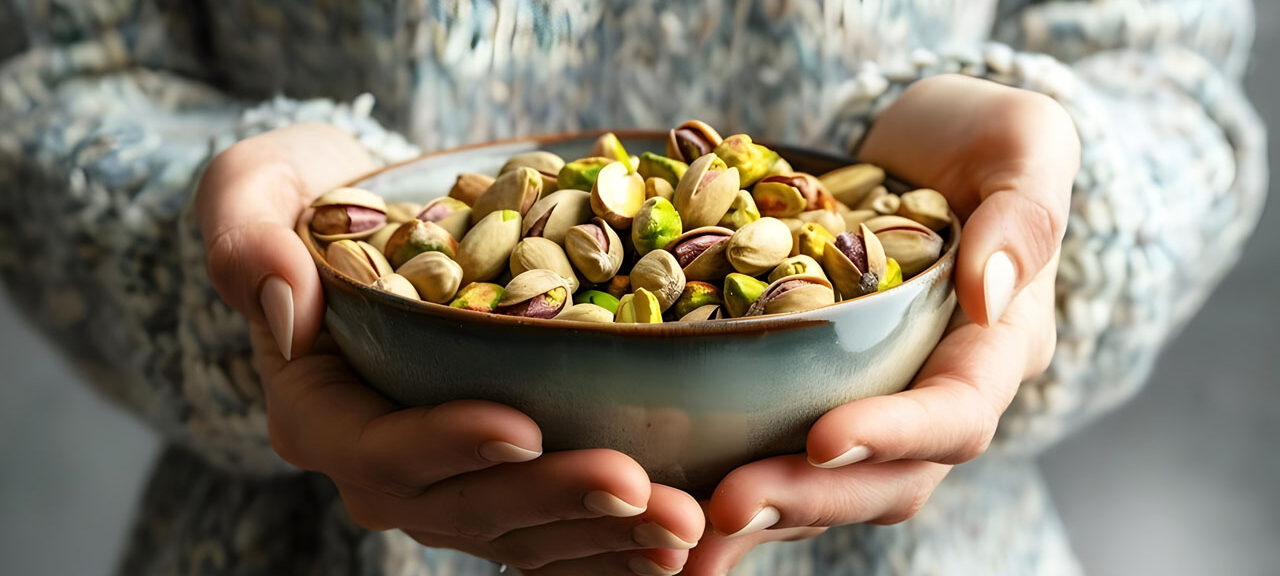
Pistachios may provide health benefits given that they contain protein, antioxidants, and fiber. Such benefits could enhance heart health, control blood sugar, and reduce the potential of colon cancer. Pistachios can be a healthful addition to everyone’s diet. They have around 20% protein, which gives them a greater protein-to-calorie ratio than many other nuts.
Among the many benefits of nuts, pistachios stand out due to their unique nutrient profile. While this helps people feel full for a longer time, they may also help in controlling body weight. Many antioxidants are contained in them, the second highest after walnuts. Antioxidants fight against free radicals, compounds in one’s body which damage cells, proteins, DNA structures, and accelerate the aging process and additionally help in promoting diseases such as cancer, diabetes, and heart disease. So it is, therefore, important for one’s body to protect itself from them.
Eating foods high in antioxidants is one form of taking down these compounds. There are considerable levels of unsaturated fatty acids and potassium in pistachios. Both unsaturated fats and potassium possess antioxidant and anti-inflammatory properties. Studies have shown that pistachios made with various nuts are one of the most important components of the Mediterranean dietary pattern noted for its long-term health benefits. Find a detailed article about this diet on:
Benefits of pistachios
Consuming pistachios, like other types of nuts, has many benefits. Some of the specific health benefits observed with pistachio consumption, which have been investigated in research conducted over the years in various settings, include:
Increase in gut-friendly bacteria
Pistachios being an excellent source of prebiotic fiber, a kind of fiber that nourishes the good bacteria in the colon, has been shown to stimulate the growth of such bacteria in the gut and subsequently outcompete other disease-causing bacteria. Fiber therein is digestible and fermented by good gut bacteria into short-chain fatty acids capable of reducing the risk of cancer and heart diseases. Studies show that the level of beneficial gut bacteria increased with pistachio and, to some extent, almond consumption. The fiber-rich pistachios can also lower demise caused because of certain cancers, including colon cancer.
Lowering blood pressure and cholesterol
The benefits of collective lower blood pressure and cholesterol were in pistachio-eating regarding cardiovascular diseases. Pistachios are also fortified with high levels of antioxidants, which will prevent heart diseases. They are high in fiber and high in unsaturated fatty acids-all associated with healthy blood cholesterol levels and lower risk of heart disease. The consumption of pistachios has exhibited the most significant overall systolic and diastolic blood pressure reductions when compared to other nuts studied. Quite a few studies have evidenced that nut consumption indeed lowers blood pressure in individuals without type 2 diabetes; pistachio being the most potent across the 21 studies included in the 2015 meta-analysis.
Maintaining healthy blood sugar levels
Pistachios have a low glycemic index, or do not cause much of a surge in blood sugar. They contain antioxidants, carotenoids, and phenolic acids that all help maintain healthy blood sugar levels. Specialists recommend that consuming pistachios will reduce the effects of diabetes. A 2017 trial showed a high olive oil and other pistachio Mediterranean diet lowered gestational diabetes, and a 2020 meta-analysis indicated pistachios could lower fasting blood glucose levels substantially.
Rich in antioxidants
Antioxidants are chemicals that aid in keeping the body healthy. They assist in lowering the chances of getting cancer and other illnesses by limiting the devastation to body cell structures. Along with other nuts and seeds, antioxidants exist in high quantities, though pistachios may have even more; studies suggest that pistachios, as shown by their phytochemicals, have antioxidant and anti-inflammatory properties, including:
- Gamma tocopherols
- Phytochemicals
- Polyphenols
Low in calories
Pistachios are among the low-calorie nuts, enabling people to enjoy the benefits of this nut while more easily controlling their daily calorie intake. In comparison, however, the calorie content is higher in two macadamia nuts that weigh 28 grams or offer 10 to 12 nuts, amounting to 204 calories and 196 calories for walnuts. This far too compares that an ounce of pistachios has 159 calories. It is alleged that certain foods have higher calories than these nuts.
Improving vascular health
The other benefits of pistachios are attributed to amelioration of vascular health, the body’s requirement to have the amino acids present, and, If unable to be synthesized by the body, such compounds must be obtained through the diet. Some studies conclude apoptosis of blood fat and sugar (glycemic index) under pistachios and possibly improves vascularity.
Better eye health
Pistachios promote better eye health but contain the highest lutein and zeaxanthin among nuts. Both of these compounds protect your eyes from blue light damage and macular degeneration, the leading cause of blindness in older adults. In this condition, the macula, or yellow spot of the eye, deteriorates. The macula is responsible for direct and clear vision and is the portion of the retina sensitive to light, needed for detailed tasks such as reading and driving. For this reason, it becomes promising to contribute, through an ample diet conveyed through the intake of pistachios, to prevent the visually disordered.
Nutrient-rich
Pistachios contain many essential nutrients. According to the United States Department of Agriculture, 1 ounce, or approximately 49 nuts, of unroasted, unsalted pistachios contains the following:
| Calories | 159 |
| Protein | 5.7 g |
| Fat | 12.8 g |
| Carbohydrates | 7.7 g |
| Fiber | 3 g |
| Sugar | 2.2 g |
| Magnesium | 34.3 mg |
| Potassium | 0.289 mg |
| Phosphorus | 139 mg |
| Thiamine | 0.25 mg |
| Vitamin B6 | 0.5 mg |
Pistachios are cholesterol-free and an excellent source of vitamins and minerals, including manganese, phosphorus, and copper. They also contain a high amount of potassium; a 2-ounce serving of pistachios has more potassium than a large banana and as much fiber as a cup of cooked broccoli. The vitamin B6 in pistachios plays a crucial role, particularly in protein metabolism and cognitive growth.
Pistachios are high in protein, making them beneficial for vegans and vegetarians
Approximately 6 grams of protein are found in a 1-ounce serving of pistachios, constituting about 21% of the nut’s total weight. Pistachios have a higher content of essential amino acids compared to other nuts like almonds, hazelnuts, and walnuts. Due to their low calorie count and high fiber and protein content, pistachios may be helpful for weight management. A 2020 study showed that consuming 1.5 ounces of pistachios daily helped reduce body mass index (BMI) and waist circumference in obese men and women compared to a control group that did not consume the extra pistachios.
Eating pistachios can also help in weight reduction
The nuts, apart from being delicious, are also rich in fiber and protein content, which may cause you to feel satiated and, as a result, consume fewer calories. A study found that a group of obese or overweight subjects who were given a daily serving of pistachios had lower body mass index (BMI) and waist circumference compared to those who were not provided with pistachios. They also reported that the pistachio subjects ate healthier by eating more fiber and less sweets and high-fat foods. However, as mentioned, these are merely a consequence of the fact that when one eats pistachios, they are eating more fiber and less sweets.
It’s also worth mentioning that snacking on pistachios with shells is beneficial. Shelled pistachios promote slow and mindful eating since it takes time to shell them. The shells also accumulate in front of you, reminding you of how much you’ve eaten. It has been found that individuals consuming unshelled pistachios consume 41% fewer calories per serving compared to when they consume shelled pistachios. As per this, these delicious nuts can also be enjoyed with a feeling of mindfulness, and mindfulness has some benefits.
Disadvantages of pistachios
Consuming pistachios may have negative impacts on some individuals. Disadvantages of pistachios are:
Higher sodium intake
Fresh pistachios contain nearly no sodium (only 1 milligram per cup), but salted dry-roasted pistachios can contain much more. Dry-roasted pistachios with salt contain about 526 milligrams of sodium per cup. Excessive sodium increases the risk of developing such conditions as high blood pressure, heart disease, and stroke.
FODMAP risks
FODMAPs are unique carbohydrates referred to as Fermentable Oligo-, Di-, Mono-saccharides, and Polyols. FODMAPs may be avoided by individuals who have irritable bowel syndrome (IBS) in an effort to experience fewer issues with the symptoms. A pistachio is a high FODMAP food since pistachios have fructans. If you are among those individuals who do not digest fructan very well and your body does not respond positively to such a carbohydrate, consuming pistachios may be uncomfortable. In such cases, you can experience symptoms like:
- Bloating
- Nausea
- Abdominal pain
Allergic danger
Pistachios are a tree nut. Individuals with tree nut allergies have the possibility of having a serious reaction to pistachios and must avoid eating them. Symptoms of an allergic reaction to pistachios can be:
- Itching of the mouth, eyes, skin, or throat
- Difficulty swallowing
- Nausea and abdominal pain
- Diarrhea
- Congestion or watery nose
- Shortness of breath or trouble breathing
- Anaphylaxis, a serious reaction which causes trouble breathing
Anaphylactic shock can be fatal. When you are allergic to tree nuts, such as pistachios, always carry an auto-injector containing epinephrine (or adrenaline) with you. Epinephrine is the only cure for anaphylactic shock.
Furthermore, if you are allergic to tree nuts like pistachios, it is always wise to read the packaging of pre-cooked foods to determine whether they contain such nuts. Your doctor may also advise you to avoid peanuts.
Ways to consume pistachios
It is hard to consume pistachios since they are encased in hard shells. For unshelled pistachios, if the shell is cracked, you can use another pistachio shell as an opener. If there is no crack, place the nuts on a cutting board, cover them with a towel, and hit them hard enough to crack the shells. Pistachios will last for one year in the refrigerator and three years in the freezer (shelled or unshelled).
Pistachios are incorporated into numerous various foods, including:
- Salads
- Ice cream or gelato
- Baklava
- Pesto sauce
- Nut butter
- Biscuits
- Granola
- Various sweets
- Yogurt
- Sohan (a crunchy Iranian candy)
Lesser-known facts about pistachios
- Pistachios were once considered exclusively a royal food: Legends suggest that the Queen of Sheba declared that pistachios were only for the royal family, even decreeing that planting pistachio trees for common people was illegal. Today, this decree seems outdated and foolish. They say the queen claimed the entire pistachio crop of her country for herself and the royal court.
- People used to eat the sap of pistachio trees: In the 17th century, pistachio trees in Ukraine were known as “gum trees” because people believed that eating the sap (which is similar to resin) freshened one’s breath. Who needs mouthwash when you have a pistachio tree!
- Hearing the sound of cracking pistachios is considered good luck: In many countries, such as Russia, hearing the sound of pistachios cracking was considered a good omen. Specifically, in the Middle East, this sound was seen as a sign of a happy relationship. Therefore, couples would often meet under pistachio trees and wait for the nuts to assure them that their relationship would be successful.
- People in India believe pistachios can literally warm the spirit: Are you looking to reduce your heating bills in winter? Pistachios might be the answer. In India, during the coldest winter months, people eat pistachios, which they call “hot nuts.” They believe that pistachios have the ability to warm a person from the inside out.
- Pistachios are one of the oldest flowering trees in the world: Pistachios are believed to have been eaten as a snack for about 9,000 years, making the pistachio tree one of the world’s oldest tree species.
- Pistachios are one of two types of nuts mentioned in the Christian Bible: Yes, they are mentioned in the Bible. Pistachios are presumed to have been among the crops Adam brought down to Earth and thus planted in the Garden of Eden, next to almonds.
- Wrong processing and harvesting of pistachios are lethal: Pistachios that are not properly processed or harvested are not suitable for human consumption, they say. Aflatoxin, a substance that creates carcinogenic molds, has resulted in disease outbreaks in some parts of the world when pistachios were improperly harvested and stored.
- In 2014, Turkey began plans to fuel an entire city using pistachio shells: What can be done with pistachio shells? Turkey had a good idea. In 2014, the country introduced plans to launch the first eco-friendly city whose fuel would be entirely supplied by pistachio shells. The shells are cooked, and the gases produced (mainly methane) theoretically provide the city’s fuel. The plans are still underway to see if this project is acceptable and whether it can be implemented in other pistachio-producing regions where raw materials are abundant.
Nuts are a powerhouse of nutrition, offering numerous health benefits that make them an essential part of a balanced diet. Rich in healthy fats, protein, fiber, vitamins, and minerals, nuts contribute significantly to weight management, help regulate blood sugar levels, and reduce the risk of cardiovascular diseases. Scientific studies consistently highlight that regular consumption of nuts supports heart health by lowering bad cholesterol (LDL) and improving overall lipid profiles. Additionally, nuts possess antioxidant and anti-inflammatory properties that protect the body from chronic diseases.
Seeds, sharing a similar nutrient profile with nuts, also provide comparable health advantages, including improved metabolism and enhanced immune function. Among nuts, pistachios stand out for their unique blend of nutrients and are especially praised for their role in promoting heart health and aiding in diabetes prevention.
For anyone interested in maximizing the benefits of nuts, incorporating a variety of nuts—especially pistachios—into daily meals is a delicious and effective strategy to boost overall well-being. Stay connected with Florinio to explore in-depth insights and tips on how to enjoy nuts for optimal health.
Leave A Comment